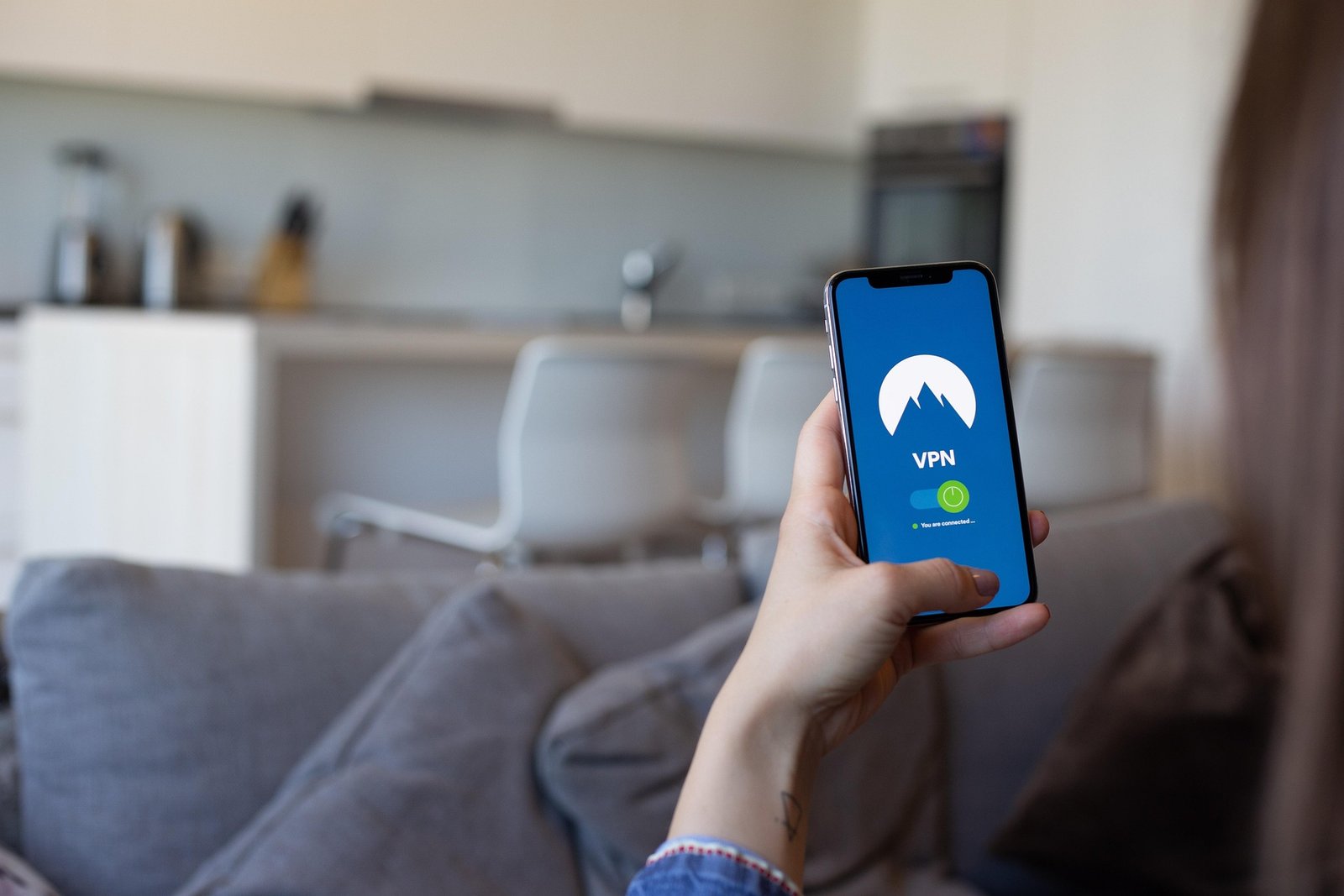
Online privacy has become an important concern for internet users in 2026. From streaming movies and browsing websites to online shopping and remote working, people share information across the internet every day. A Virtual Private Network (VPN) can help protect internet traffic and improve online privacy.
However, one question continues to confuse users: Should you choose a free VPN or pay for a premium VPN subscription?
Both options can provide encrypted internet connections, but they differ significantly in performance, server availability, privacy policies, customer support, and additional security features.
Free VPN services are attractive because they do not require monthly payments. On the other hand, paid VPN subscriptions generally provide more flexibility, better infrastructure, and additional features.
In this comprehensive guide, we compare paid VPN vs free VPN services in 2026 to help users in the United States, United Kingdom, Canada, and Australia make an informed decision.
What Is a Free VPN?
A free VPN is a Virtual Private Network service that allows users to establish an encrypted internet connection without paying a subscription fee.
These services are often designed for people who need basic online privacy or occasional protection when connecting to public Wi-Fi.
Some reputable VPN companies offer free plans alongside their premium subscriptions. These free versions usually include essential security features but restrict certain capabilities.
Common limitations include:
- Limited monthly data usage.
- Fewer server locations.
- Restricted streaming access.
- Limited simultaneous connections.
- Fewer advanced security features.
- Reduced customer support options.
Not every free VPN is unsafe. Established providers such as Proton VPN offer free plans with genuine privacy protections. However, users should carefully investigate unfamiliar VPN applications before installing them.
What Is a Paid VPN?
A paid VPN is a subscription-based service that provides access to a VPN provider’s infrastructure and security features in exchange for a monthly or annual payment.
Premium VPN services generally offer more server locations, greater flexibility, and additional tools for users who need continuous protection.
Depending on the provider and subscription tier, paid VPN services may include:
- Larger international server networks.
- Higher or unlimited data allowances.
- Faster connection options.
- Multiple simultaneous connections.
- Streaming-friendly server options.
- Advanced privacy and security features.
- Dedicated customer support.
- Router compatibility.
Popular providers include NordVPN, ExpressVPN, Surfshark, CyberGhost, and Proton VPN.
Paid VPN vs Free VPN: Main Differences
Understanding the differences between free and paid VPN services can help you decide whether a subscription is worth the expense.
| Feature | Free VPN | Paid VPN |
|---|---|---|
| Subscription cost | Free | Monthly or annual fee |
| Data allowance | Often limited; some unlimited | Usually unlimited |
| Server locations | Usually restricted | Generally broader |
| Connection speeds | Can be restricted | Usually more consistent |
| Streaming support | Often limited | Generally better |
| Advanced features | Limited | More options |
| Customer support | Often basic | Usually more extensive |
| Multiple devices | Depends on provider | Depends on plan |
| Privacy protection | Depends on provider | Depends on provider |
These are general differences rather than universal rules. Some free VPNs offer unlimited data, while certain premium subscriptions still have device or feature restrictions.
Advantages of Free VPN Services
Free VPNs can be useful when selected carefully. They are not automatically bad simply because they do not charge users.
1. No Subscription Expenses
The biggest advantage is that users can access basic VPN protection without paying monthly or annual fees.
This can be useful for students, occasional internet users, and people who cannot afford another subscription.
2. Basic Online Privacy
A reputable free VPN can encrypt your internet connection and mask your public IP address.
This provides an additional privacy layer when browsing websites or using public Wi-Fi.
3. Useful for Occasional Browsing
If you only need a VPN occasionally, a free plan may provide enough functionality.
For example, someone who travels occasionally or uses public Wi-Fi for short periods may not require a premium subscription.
4. No Long-Term Financial Commitment
Free VPN plans generally do not require annual subscriptions or advance payments.
Users can test the service without committing to a paid membership.
Disadvantages of Free VPN Services
Although free VPNs have several benefits, they also come with limitations.
1. Limited Monthly Data
Some free VPN providers restrict the amount of data users can consume every month.
This can become a problem when watching HD videos, downloading large files, or using VPN protection throughout the day.
2. Fewer Server Locations
Free plans often provide access to a smaller selection of VPN servers.
This can reduce flexibility for travelers and people who need a connection in a particular country.
3. Streaming Restrictions
Many free VPNs struggle to provide reliable access to major streaming services.
Platforms such as Netflix, Disney+, and Amazon Prime Video regularly update their systems to identify and restrict VPN connections.
A free VPN may work occasionally, but consistent access is not guaranteed.
4. Potential Privacy Concerns
Some unreliable free VPN applications may collect excessive user information, display intrusive advertisements, or share data with third parties.
The FBI has also warned about certain VPN applications with hidden terms that may allow users’ internet connections to be incorporated into residential proxy networks.
This makes researching the provider’s business model and privacy policy especially important.
Advantages of Paid VPN Services
Paid VPN subscriptions are generally more suitable for users who need consistent performance and advanced features.
1. More Server Locations
Premium VPN providers typically maintain larger international server networks.
This gives customers more options when traveling, working remotely, or connecting to different regions.
2. Better Streaming Flexibility
Paid VPN services often invest in faster servers and streaming-related infrastructure.
Some providers offer specialized server recommendations for popular streaming platforms.
However, no VPN guarantees permanent access to every streaming library.
3. Higher Data Allowances
Most mainstream premium VPN subscriptions offer unlimited VPN data.
This makes them more practical for users who stream videos, download files, attend online meetings, or browse the internet for extended periods.
4. Advanced Security Features
Depending on the provider, paid plans may include:
- Kill switch protection.
- DNS leak protection.
- MultiHop connections.
- Dedicated IP options.
- Advanced tracker blocking.
- Threat detection features.
These tools can improve security and privacy, although they do not replace antivirus software or safe browsing practices.
5. Better Customer Support
Premium VPN customers often receive access to live chat, email support, and troubleshooting resources.
This can be valuable when configuring a VPN on computers, smartphones, smart TVs, and compatible routers.
Best Free VPN Services Worth Considering in 2026
Not everyone needs a premium subscription. Some established providers offer free plans that are worth considering.
1. Proton VPN Free
Proton VPN Free is a strong option for users who prioritize privacy and unlimited data.
Main Features:
- No monthly data limit.
- Privacy-focused service.
- Open-source applications.
- Strong encryption.
- Multiple supported platforms.
Limitations:
- Limited server selection.
- Fewer advanced features than paid plans.
- Not designed for dependable premium streaming access.
Best For: Everyday browsing and basic privacy protection.
2. PrivadoVPN Free
PrivadoVPN offers a free plan with a limited monthly allowance of high-speed data.
Main Features:
- Free monthly data allowance.
- Multiple server locations.
- Support for popular devices.
- Basic VPN encryption.
Limitations:
- Limited high-speed data.
- Fewer features than premium subscriptions.
- Not ideal for continuous heavy usage.
Best For: Occasional browsing and users who want to try a free VPN.
3. Windscribe Free
Windscribe provides another free VPN option with privacy and security features.
Main Features:
- Multiple server locations.
- Privacy protection tools.
- Browser extensions.
- Applications for popular operating systems.
Limitations:
- Monthly data restrictions.
- Limited server availability.
- Some advanced capabilities require a paid plan.
Best For: Users who want flexible free VPN features for occasional internet use.
Best Paid VPN Services Worth Considering in 2026
If you need more advanced functionality, these premium VPN providers are worth comparing.
1. NordVPN
NordVPN is a popular premium VPN service offering fast connection protocols, international servers, and additional security features.
Best Features:
- NordLynx protocol.
- Up to 10 simultaneous connections.
- Threat Protection features.
- International server network.
Best For: Users seeking a balance of speed, privacy, and streaming functionality.
2. ExpressVPN
ExpressVPN focuses on ease of use, connection reliability, and broad device compatibility.
Best Features:
- Lightway protocol.
- Strong encryption.
- Network Lock on supported platforms.
- Broad international coverage.
Best For: Beginners and users who want a straightforward premium VPN.
3. Surfshark
Surfshark is particularly attractive to people who want to protect multiple devices.
Best Features:
- Unlimited simultaneous connections.
- WireGuard support.
- CleanWeb features.
- MultiHop connections.
Best For: Families and users with numerous internet-connected devices.
4. CyberGhost
CyberGhost offers beginner-friendly applications and streaming-oriented server recommendations.
Best Features:
- Streaming-friendly servers.
- International network.
- Up to seven simultaneous connections.
- Automatic connection protection.
Best For: Users looking for simple VPN applications and convenient server selection.
How Much Does a Paid VPN Cost in 2026?
VPN subscription prices depend on the provider, subscription duration, promotional offers, and selected features.
Generally, customers can choose from three common payment structures.
| Subscription Type | Typical Pricing Structure | Best For |
|---|---|---|
| Monthly | Higher monthly cost | Short-term use |
| Annual | Discounted monthly equivalent | Regular users |
| Multi-Year | Lower introductory monthly equivalent | Long-term users |
Always check the full payment amount, renewal price, applicable taxes, and refund conditions before subscribing.
A VPN advertised at a low monthly rate may require payment for an entire two-year period upfront.
Is a Paid VPN Worth Your Money?
The answer depends on how frequently you use a VPN and what you expect from it.
A free VPN may be sufficient if you only need occasional privacy protection, basic browsing, or short public Wi-Fi sessions.
However, a paid VPN can provide better value if you regularly stream videos, travel internationally, work remotely, or need protection across several devices.
For example, a family with multiple smartphones, laptops, and smart TVs may benefit from a premium subscription that supports several simultaneous connections.
Similarly, someone who regularly travels between the United States, Canada, the United Kingdom, and Australia may appreciate having access to a broader international server network.
The important point is to purchase a VPN based on actual requirements rather than simply choosing the most expensive service.
How to Choose the Right VPN for Your Budget
Before purchasing a VPN subscription, consider these factors.
1. Identify Your Main Purpose
Decide whether you need a VPN for streaming, privacy, public Wi-Fi protection, or remote working.
2. Review the Privacy Policy
Look for a clearly explained no-logs policy and independent security audits.
3. Compare Connection Speeds
Choose a service that offers reliable performance for your internet connection and preferred activities.
4. Check Device Compatibility
Make sure the VPN supports your computer, smartphone, tablet, or television.
5. Review Subscription Conditions
Compare monthly payments, long-term discounts, renewal charges, and refund policies.
6. Avoid Unknown Free VPN Applications
Download VPN applications from official websites or trusted app stores. Avoid services that request unnecessary permissions or have unclear privacy policies.
Final Verdict: Paid VPN vs Free VPN in 2026
Both free and paid VPN services have a place in today’s digital environment.
Free VPNs can provide useful basic privacy protection without requiring a subscription. Proton VPN Free is a particularly interesting option for users who want unlimited data for everyday browsing.
However, premium VPN services generally offer more server choices, greater flexibility, additional security features, and better support for regular streaming and multi-device usage.
NordVPN, ExpressVPN, Surfshark, and CyberGhost are worth comparing if you are considering a paid subscription.
Our recommendation: Choose a reputable free VPN if your requirements are basic and occasional. Consider a paid VPN if you need continuous protection, regular streaming, international server access, or coverage for multiple devices.
Ultimately, the best VPN is not necessarily the most expensive one. It is the service that provides trustworthy privacy protection, suitable performance, and good value for your money.
Leave a Reply